
Nha Trang snorkeling tours offer some of the most accessible coral reefs and marine life in Vietnam, making them ideal for both beginners and experienced snorkelers. Nestled along the country’s south-central coast, Nha Trang combines clear turquoise waters, protected bays and offshore islands. Below you’ll find how tours work, where to snorkel, what to expect, and how to choose the best experience for your needs.
What Makes a Nha Trang Snorkeling Tour Special?
Snorkeling in Nha Trang stands out because of its combination of calm conditions, varied marine ecosystems and convenient access. Most tours are half-day or full-day trips that depart directly from Nha Trang city, heading to nearby islands where the water is clearer and coral is better preserved than near the mainland.
Core snorkeling areas and island highlights
The typical Nha Trang snorkeling tour focuses on the following spots:
- Hon Mun Marine Protected Area – The most famous site, often the centerpiece of snorkeling itineraries. Expect shallow coral gardens, colorful reef fish like butterflyfish, angelfish and parrotfish, and relatively good visibility. Buoys and zoning help protect the reefs, so follow your guide’s instructions carefully.
- Hon Mot Island – Frequently combined with Hon Mun, this island offers gentle slopes and sandy patches with scattered coral heads. It’s ideal for beginners who want to practice in calmer, shallower water while still seeing fish and soft corals.
- Hon Tam and adjacent spots – Some tours visit the waters around Hon Tam for more relaxed snorkeling and beach time. Corals here can be less impressive in places, but conditions are usually mild, and facilities onshore are better developed.
Types of snorkeling tours available
Nha Trang operators offer a wide range of tours, allowing you to match the experience to your comfort level and interests:
- Group island-hopping tours – The most common and budget-friendly option. You’ll share a larger boat with other travelers, stop at 2–3 snorkeling sites, and often enjoy lunch onboard or on a beach. These tours are social and cost-effective, but you’ll have less personalized guidance.
- Small-group or premium tours – Designed for better reef experiences and quieter sites, these usually limit group size, provide higher-quality gear and often include a more detailed briefing on marine life and reef protection. They are ideal if you value comfort and want more attentive guides.
- Private charter snorkeling – Best if you’re traveling as a family, couple or group of friends and want full control over the schedule. Private tours can time visits to avoid crowds, choose the best sites for conditions that day and adapt the program to your swimming ability.
Seasonality, visibility and sea conditions
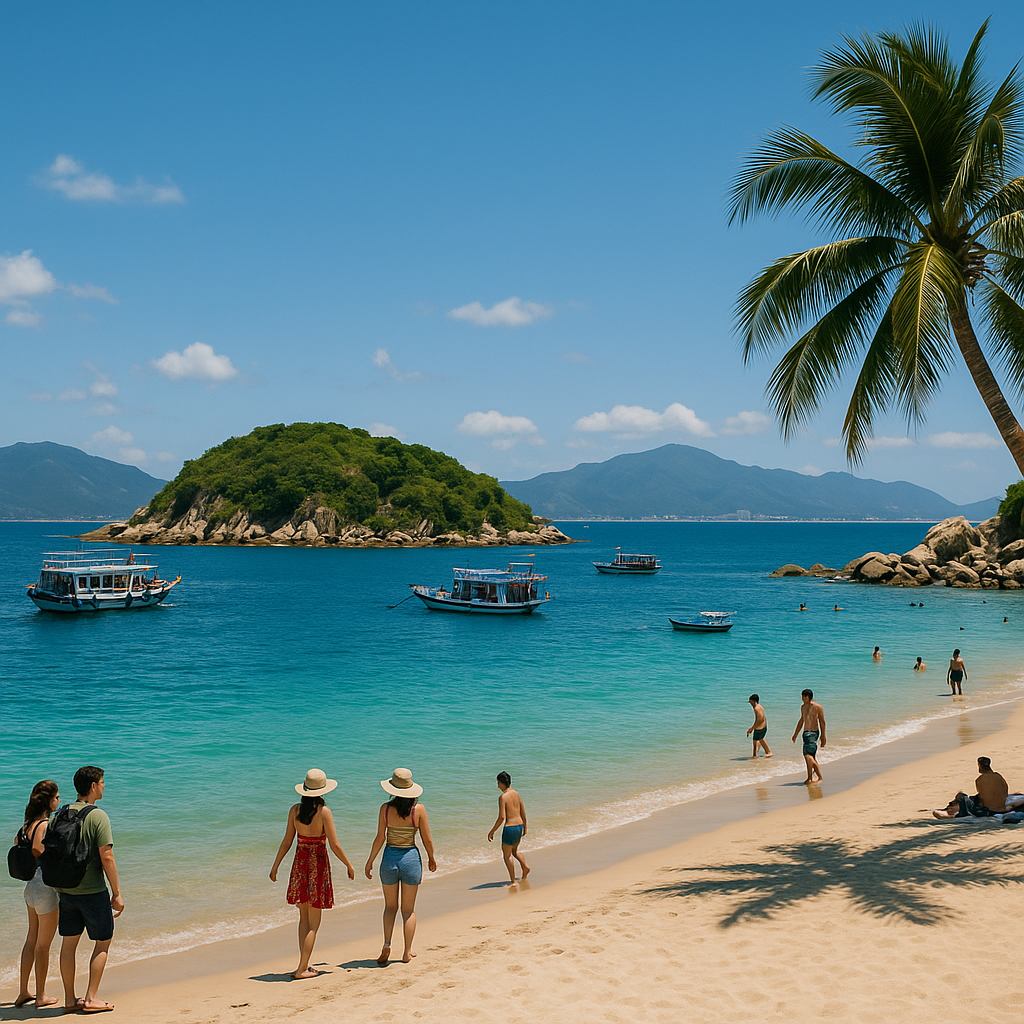
Nha Trang has a relatively long snorkeling season, but conditions vary:
- Best months – Generally from late February to September, when seas are calmer and visibility is often between 5–15 meters around the islands.
- Rainy season – From about October to early January, rougher seas and run-off can reduce visibility significantly. Many tours still operate, but expect choppier rides and a higher chance of cancellations.
- Daily conditions – Even in good seasons, wind direction, tides and currents can change visibility. Reputable operators monitor forecasts and adjust the choice of islands accordingly.
Typical tour itinerary: what actually happens
While operators differ, most Nha Trang snorkeling tours follow a similar pattern:
- Hotel pick-up and harbor check-in – A minivan or car collects you in the morning and takes you to Cau Da port. There you meet your guide, check equipment and receive a safety briefing.
- Boat ride to the islands – The ride can take 30–60 minutes depending on how many islands are visited. Use this time to try on your mask, adjust fins and apply reef-safe sunscreen.
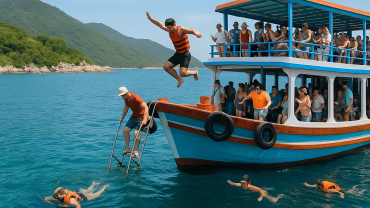
- First snorkeling stop – The boat normally anchors in a designated snorkeling zone. You may enter the water directly from the boat via a ladder, or occasionally from a small tender that shuttles you closer to shallow areas.
- Second (and sometimes third) site – After a short rest and snack, the boat moves to a different reef to give you variety in depth, coral types and fish species.
- Lunch and leisure time – Many tours include a Vietnamese-style lunch on the boat or at a beach restaurant. You may have time for swimming, kayaking or relaxing on shore before returning to Nha Trang.
Equipment, safety and who can join
Most tours supply the essential gear, but quality can be inconsistent. If you’re particular about comfort and hygiene, consider bringing your own mask and snorkel. Fins are usually provided, and some tours offer life jackets, snorkel vests and even buoyancy rings for nervous swimmers.
- Safety briefing – A good operator will explain boat rules, how to use the equipment, what to do if you feel tired, and how to avoid stepping on coral. Pay attention, especially if it’s your first time.
- Who can participate – Nha Trang snorkeling tours are generally suitable for children, older travelers and non-swimmers, as long as they are comfortable in the water with a life jacket. Always disclose any medical conditions to your guide.
- Guided snorkeling – On more professional tours, guides lead small groups in the water, pointing out interesting creatures and ensuring everyone stays within safe boundaries.
Choosing the Right Nha Trang Snorkeling Tour
Selecting the right tour in Nha Trang is about balancing reef quality, safety standards, price and your personal comfort. With many agencies selling similar-sounding trips, taking a few minutes to evaluate options can dramatically improve your experience.
Key criteria when comparing operators
- Reputation and reviews – Look for operators with consistently positive feedback mentioning clear communication, safe practices and well-maintained equipment. Avoid companies with repeated complaints about overcrowded boats or disorganized schedules.
- Group size limits – Smaller groups usually mean more guidance in the water and less disturbance to marine life. If you value space and quieter snorkeling, check maximum group size before booking.
- Marine conservation practices – Ethical operators brief guests on reef etiquette, prohibit feeding fish and often collaborate with local conservation efforts. This not only protects the ecosystem but usually reflects an overall higher standard of professionalism.
- Inclusions and hidden costs – Confirm whether the price covers hotel transfers, national park fees, lunch, drinks and full gear rental. Some budget tours advertise low prices but add fees later at the harbor.
Environmental impact and responsible snorkeling
Nha Trang’s reefs face pressure from coastal development and high visitor numbers. Choosing responsible behavior helps preserve the experience for future travelers:
- Never stand on or touch coral – Even a brief contact can kill delicate polyps or break centuries-old formations. Always keep your fins above the reef and practice gentle kicks.
- Use reef-safe sunscreen – Many conventional sunscreens contain chemicals harmful to corals. Apply a reef-safe formula at least 20 minutes before entering the water, or wear a long-sleeve rash guard and leggings to reduce the amount of sunscreen needed.
- Do not chase or feed marine life – Feeding fish changes their natural behavior and can damage the ecosystem. Observe calmly from a distance and let the animals maintain their normal patterns.
- Minimize plastic waste – Bring a refillable bottle and avoid single-use plastics onboard. Some higher-end operators provide drinking water in large dispensers specifically to cut down on plastic waste.
Preparing for your Nha Trang snorkeling day
Proper preparation helps you enjoy the tour and reduces unnecessary stress:
- What to pack – A light towel, hat, sunglasses, long-sleeve swimwear, waterproof phone case, motion-sickness tablets if you’re prone to seasickness, and a small dry bag for valuables are all recommended.
- Practice beforehand if needed – If you’re new to snorkeling, try your mask and snorkel in a pool or shallow hotel beach before the tour. Getting comfortable breathing through a snorkel in advance makes the first reef stop much more enjoyable
Comment (0)