
Nha Trang Cultural Tour: A More Meaningful Way to Explore Vietnam
Nha Trang cultural tour experiences offer travelers a deeper way to discover Vietnam beyond the beaches. From ancient Cham temples and traditional fishing villages to local food markets and spiritual landmarks, Nha Trang reveals a side of Vietnam many visitors never fully expect.
Most travelers arrive in Nha Trang searching for island tours, tropical beaches, and ocean views.
And honestly, it is easy to understand why.
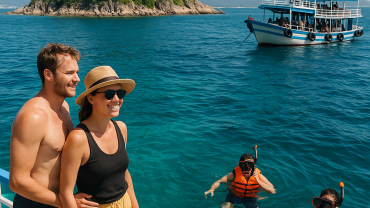
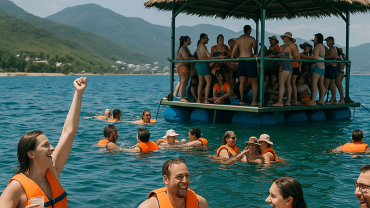
The bay is beautiful in almost every season. Fishing boats drift slowly across turquoise water while beach cafés fill with travelers escaping colder countries. At sunset, cruise boats begin moving across the coastline, and the atmosphere becomes lively with music, seafood dinners, and experiences like the famous Nha Trang floating bar party tour.
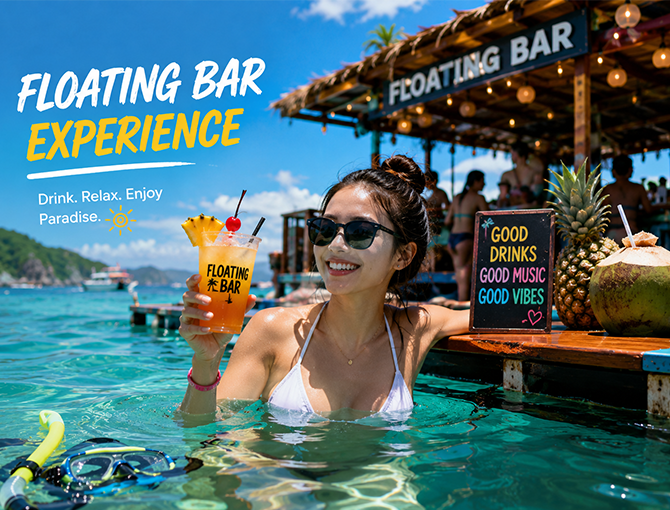
But beyond the beach resorts and nightlife, another side of Nha Trang quietly continues every day.
It exists in old fishing communities before sunrise. In incense-filled pagodas hidden behind busy streets. In traditional markets where locals still buy fresh seafood every morning. And in ancient Cham towers that have stood above the coastline for centuries.
For travelers who want to understand Vietnam beyond tourism photos, cultural travel in Nha Trang offers something far more memorable than a typical beach vacation.
Why a Nha Trang Cultural Tour Feels Different
Many destinations in Southeast Asia feel divided between “tourist zones” and local life.
Nha Trang feels different because both worlds continue side by side naturally.
Luxury resorts stand only minutes away from traditional seafood markets. Modern rooftop bars overlook fishing harbors where wooden boats still leave before dawn. International tourists walk along the beach while local families gather at Buddhist temples carrying fruit offerings and incense.
That contrast gives the city character.
A well-designed Nha Trang cultural tour does not simply move visitors between attractions. It allows travelers to experience how history, religion, fishing culture, and modern tourism continue to shape daily life along Vietnam’s central coast.
And often, the most meaningful moments are the quietest ones.
Visiting the Ancient Po Nagar Cham Towers
One of the most important cultural landmarks in Nha Trang is Po Nagar Cham Towers.
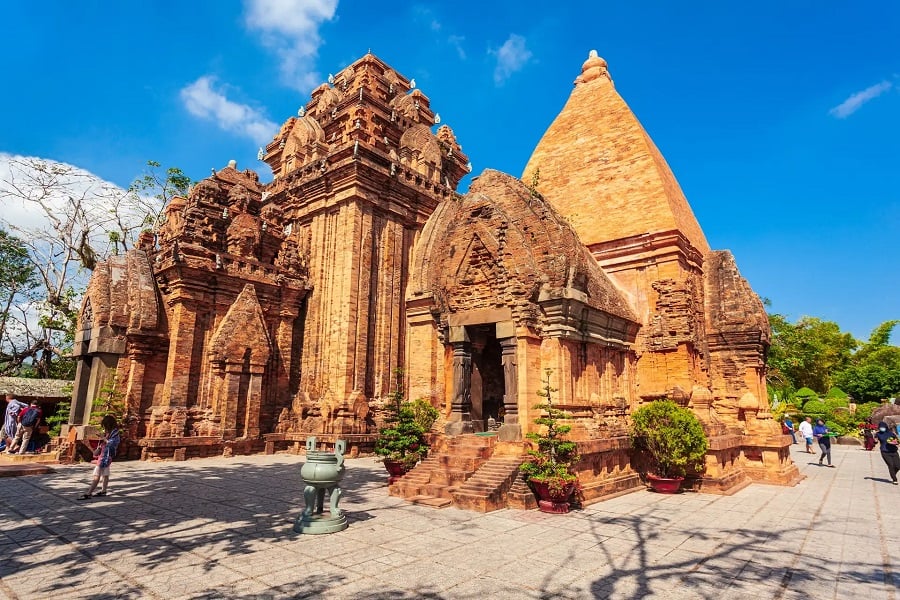
Located on a hill beside the Cai River, the temple complex dates back to the Cham civilization that once ruled much of central Vietnam centuries ago. Although the towers are now one of the city’s most visited historical sites, they still feel spiritually alive rather than overly commercialized.
The experience begins the moment you walk through the stone entrance.
The sound of traffic slowly disappears behind the temple walls. Incense drifts through the warm air while local worshippers quietly leave flowers, fruit, and offerings beneath ancient stone carvings.
The architecture itself is remarkable. Built primarily from red brick, the towers have survived tropical storms, wars, and centuries of coastal weather while still preserving intricate details from the Cham kingdom.
Early morning is often the best time to visit. The temperature remains cooler, the light becomes softer for photography, and the atmosphere feels calmer before larger tour groups arrive.
For many travelers, Po Nagar becomes the first moment they realize Nha Trang is more than just a beach city.
Traditional Fishing Villages Along the Coast
Outside the modern tourist district, coastal communities continue living according to rhythms shaped by the sea.
Fishing villages around Nha Trang still begin their mornings long before sunrise. Boats return to shore carrying squid, tuna, anchovies, and mackerel caught overnight in deeper water. Along the docks, fishermen repair nets by hand while seafood traders prepare baskets for local markets.
These scenes feel entirely different from the polished image many travelers initially expect from Vietnam’s resort destinations.
Near smaller harbors, visitors may see:
- Circular basket boats floating beside wooden piers
- Elderly residents preparing traditional fish sauce
- Families drying seafood beneath the sun
- Local cafés serving strong Vietnamese coffee to fishermen finishing their shifts
The smell of salt air, charcoal grills, and fresh seafood becomes part of the atmosphere itself.
Unlike heavily curated tourist attractions, these moments feel authentic because they are simply daily life continuing as normal.
A meaningful Nha Trang cultural tour should always include time beyond the beaches to experience these quieter parts of the city.
Long Son Pagoda and the Spiritual Side of Nha Trang
While Nha Trang’s coastline often feels energetic and busy, its temples and pagodas offer an entirely different pace.
Long Son Pagoda is among the city’s most recognizable spiritual landmarks, known for the giant white Buddha statue overlooking the city from above.
The climb toward the statue is relatively short, but the atmosphere changes with every step upward.
Temple bells echo softly across the courtyard. Incense smoke rises slowly through open prayer halls while monks in orange robes move quietly between shrines. From the top, visitors can see the contrast that defines modern Nha Trang — high-rise hotels along the coastline, fishing boats moving across the bay, and mountains surrounding the city in the distance.
Many travelers expecting only beaches and nightlife are surprised by how spiritually connected local life remains here.
That balance between tourism and tradition is part of what gives Nha Trang its identity.
Food Is Part of the Cultural Experience
No cultural journey through Vietnam feels complete without food.
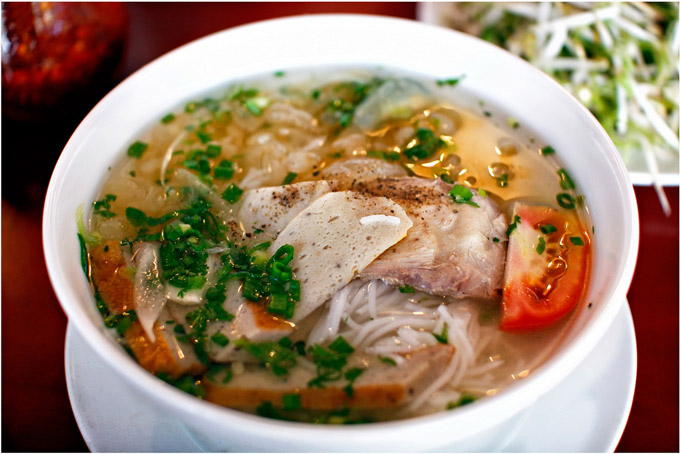
And in coastal cities like Nha Trang, local cuisine reflects generations of connection to the sea.
A good cultural tour should never focus only on historical landmarks. Some of the most memorable travel experiences happen while sitting at a crowded seafood stall on a plastic chair, watching locals order dishes entirely in Vietnamese while scooters move constantly past the sidewalk.
Popular local specialties include:
- Bún chả cá (fish cake noodle soup)
- Bánh căn seafood pancakes
- Grilled lobster from nearby seafood farms
- Fresh sea urchin with scallion oil
- Vietnamese iced coffee with condensed milk
Travelers looking for authentic experiences often discover that the smallest local restaurants become the most unforgettable.
The sounds, smells, and energy inside traditional Vietnamese eateries reveal just as much about the culture as temples or museums do.
From Floating Bar Parties to Local Traditions
One reason travelers enjoy Nha Trang is because the city offers very different experiences within a relatively small area.
Some visitors spend their afternoons snorkeling around tropical islands before joining a lively Nha Trang floating bar party tour at sunset. Others wake early to photograph fishing boats returning to shore or explore ancient Cham architecture before the city becomes crowded.
What makes Nha Trang interesting is that none of these experiences feel disconnected from one another.
Everything here eventually returns to the ocean.
The nightlife, seafood culture, fishing communities, island tours, and spiritual traditions all exist because of the coastline itself. The sea shapes daily life here in ways many visitors slowly begin noticing only after spending more time beyond the tourist district.
That deeper connection is what cultural travel often reveals best.
The Best Time to Experience Local Culture in Nha Trang
Although Nha Trang welcomes travelers throughout the year, cultural tours are often most enjoyable during the dry season between February and September.
Morning tours are especially recommended because:
- Local markets are busiest early in the day
- Fishing villages become more active at sunrise
- Temperatures remain cooler
- Lighting conditions are better for photography
Travelers interested in festivals may also want to explore local Cham celebrations and Buddhist events held throughout the year.
According to the UNESCO World Heritage Centre, preserving cultural heritage plays an important role in sustainable tourism and local identity across Asia.
That idea feels especially visible in Nha Trang, where old traditions continue existing naturally beside modern tourism development.
A More Meaningful Way to Explore Vietnam
For some travelers, beaches alone are enough.
But others eventually begin searching for something deeper than resort pools and island photos.
That is where cultural travel changes everything.
A thoughtfully designed Nha Trang cultural tour reveals a side of Vietnam many visitors never fully see — one shaped by fishing traditions, spiritual landmarks, local food culture, and communities that still live closely connected to the sea.
It allows travelers not only to visit Nha Trang, but to understand it.
And perhaps that becomes the most unforgettable part of the journey.
Not simply the beaches people photograph.
But the stories that continue quietly behind them every day.
Comment (0)